
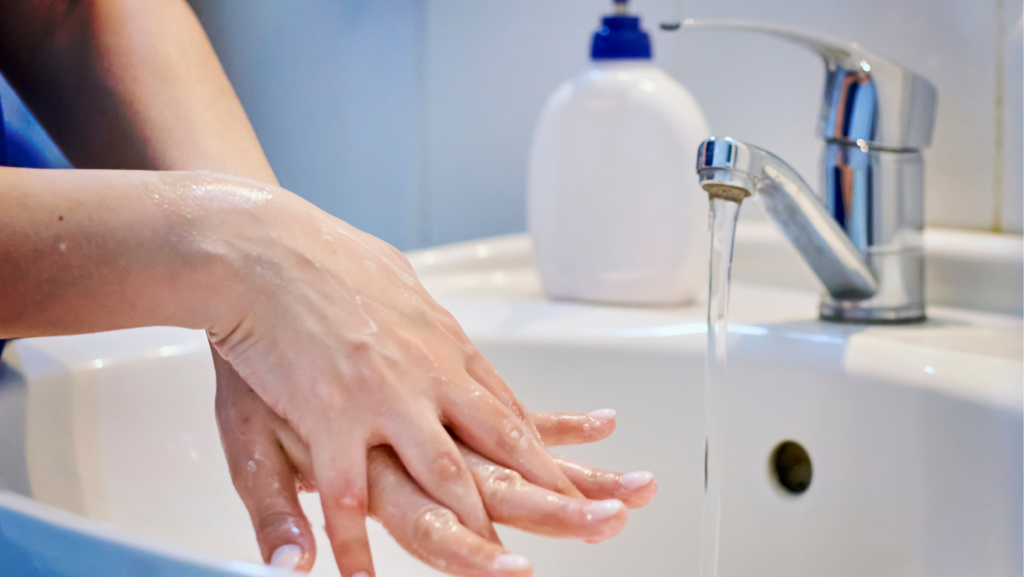
Hand hygiene is often overlooked outside of healthcare settings, but it’s just as important within office environments too. Offices are shared spaces where people touch the same surfaces throughout the day, from door handles and lift buttons to keyboards, printers, and kitchen appliances. Without good hand hygiene practices, these everyday interactions can quickly contribute to the spread of illness across the workplace.
Are offices high risk environments?
An office may look clean on the surface, but it can harbour a surprising number of germs. Desks, phones, and computer mice are among the most frequently touched items, yet they are often cleaned less regularly than washrooms. Add shared kitchens and meeting rooms into the mix, and there are plenty of opportunities for bacteria and viruses to move from person to person.
When one employee comes into work feeling unwell, germs can spread rapidly through casual contact. This can lead to multiple staff members becoming ill over a short period, resulting in increased sick leave and reduced productivity. Good hand hygiene helps to break this chain by removing germs before they have a chance to spread.
How does hand hygiene impact health and productivity?
Poor hand hygiene does not just affect individual health, it has a wider impact on the entire business. Frequent illness leads to more absences, disrupted workflows, and additional pressure on colleagues who remain at work. Over time, this can affect morale and overall efficiency.
Encouraging regular handwashing and sanitising supports a healthier workforce. When employees feel well, they are more focused, engaged, and able to perform at their best. Simple hygiene measures often have a noticeable effect on reducing common illnesses such as colds, flu, and stomach bugs.
Where does hand hygiene matter most during the working day?
Certain moments in the office routine are particularly important for hand hygiene. Washing hands after using the toilet is an obvious example, but there are other key times that are often overlooked. These include before eating lunch, after handling deliveries, after coughing or sneezing, and after using shared equipment.
Providing alcohol-based hand sanitiser in communal areas helps employees clean their hands quickly when soap and water are not immediately available. This is especially useful near entrances, meeting rooms, and kitchens where people gather frequently.
How can employers make hand hygiene easy and accessible?
For hand hygiene to be effective, it needs to be convenient. Employees are far more likely to wash or sanitise their hands when facilities are easy to find and well maintained. Washrooms should be stocked with gentle liquid soap, paper towels or reliable hand dryers, and clear signage encouraging proper technique.
In open plan offices, placing hand sanitiser dispensers in visible locations helps normalise their use. Desk sized sanitiser bottles can also be useful for staff who handle paperwork or shared tools throughout the day.
Skin comfort should not be overlooked. Frequent handwashing can lead to dryness or irritation, which may discourage people from washing their hands as often as they should. Using mild soaps and moisturising hand sanitisers helps maintain skin health and encourages consistent habits.
How can offices encourage a culture of hygiene?
Hand hygiene works best when it is part of a wider workplace culture. Employers can support this by setting a positive example and providing clear guidance. Simple reminders, posters, or internal communications can reinforce good practice without being intrusive.
Regular cleaning of shared surfaces also supports hand hygiene efforts. When combined with good personal habits, routine cleaning reduces the overall level of germs in the environment.
During periods of increased illness, such as winter months, reinforcing hygiene measures can be particularly beneficial. Making sure supplies such as soap, sanitiser, and disposable towels are always available shows a commitment to staff wellbeing.
Hand hygiene may seem like a small detail, but its impact within the office is significant. It protects individual health, supports productivity, and helps create a more comfortable working environment for everyone. By making hand hygiene easy, accessible, and part of everyday office life, businesses can reduce illness and promote a healthier workplace all year round.